A short history in three sentences
Greek communities settled Alacati in the 17th century and built the stone town that survives today, a chronology recorded by Small Luxury Hotels and by local sources such as Sultan Konak's town history. After the 1923 population exchange the houses passed to Turkish families, and the town spent decades as a quiet agricultural center known for its vineyards and windmills. In recent decades windsurfers arrived first, then Izmir weekenders, then travelers from everywhere, and the houses were restored into the stone boutique hotels the town is now known for.
Kemalpasa street and the market core
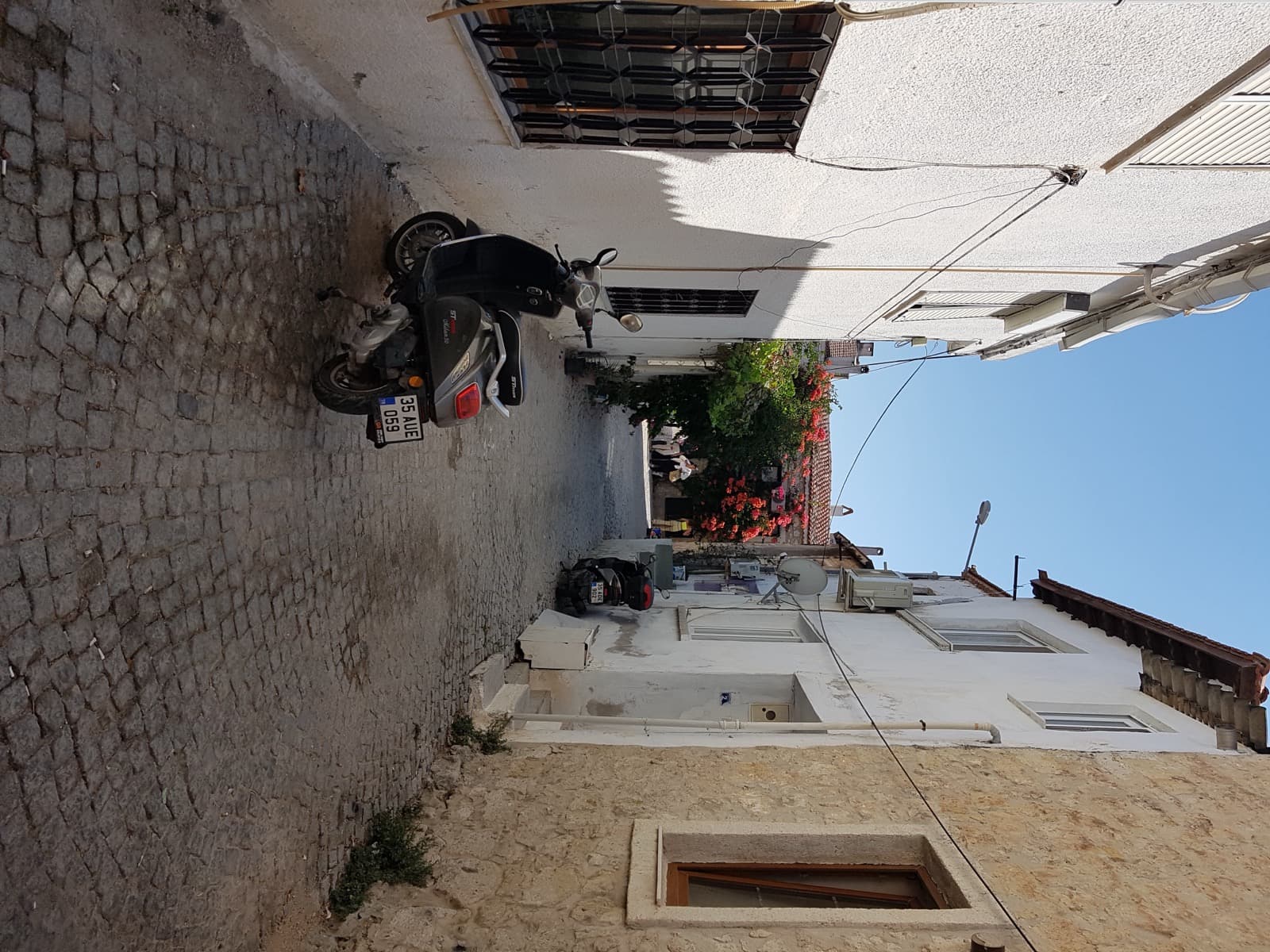
Kemalpasa street runs through the heart of the old town and carries most of its public life: coffee roasters, ice cream counters, boutiques and restaurant terraces that spill onto the cobbles in the evening. During the town's Herb Festival, stalls line both sides of this street, as described in this festival account. Evenings are the busy time; mornings belong to deliveries, cats and photographers, and are the best window for seeing the architecture itself.
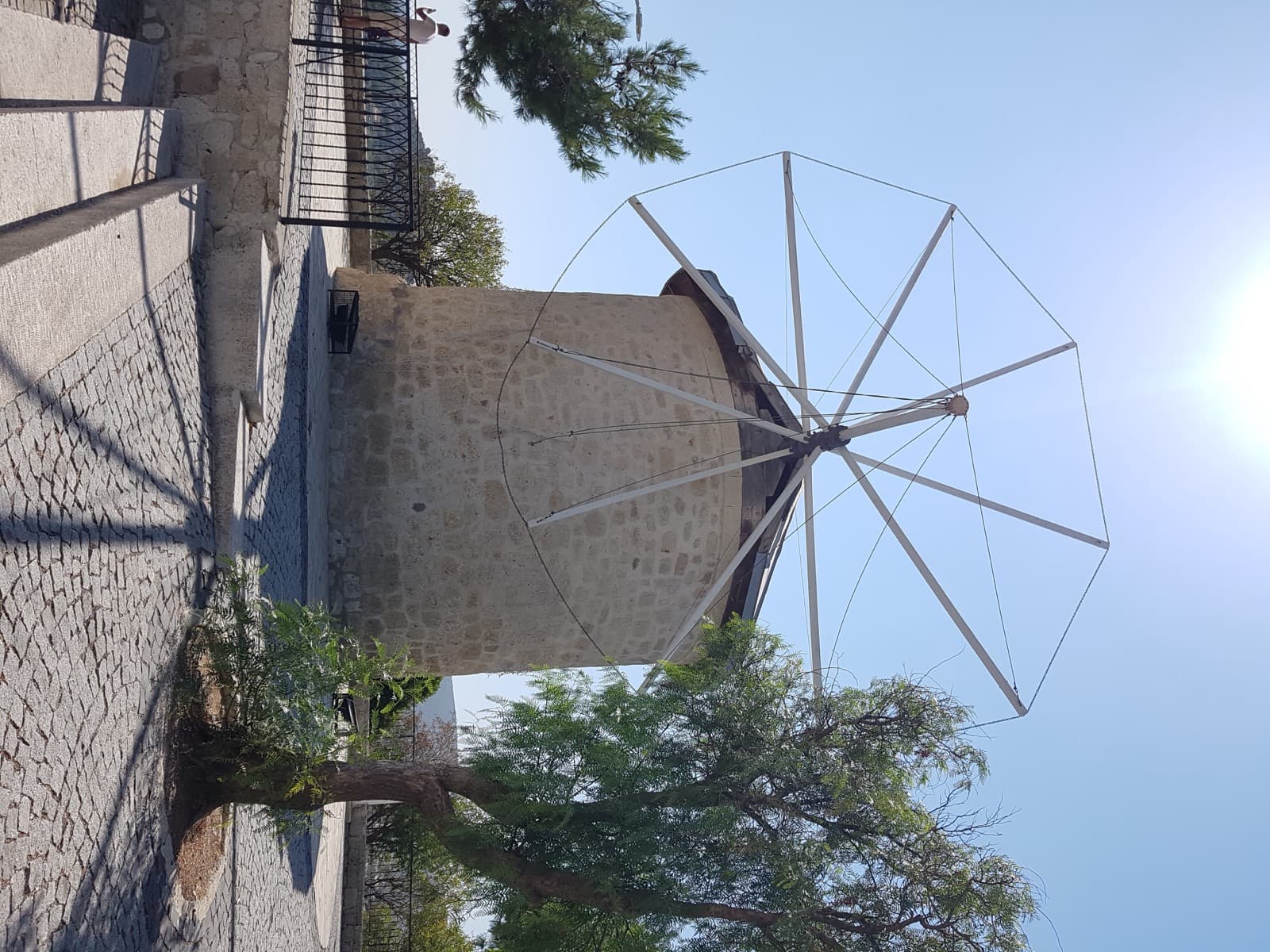
Uphill from the center the lanes get quieter, and the restored windmills on the ridge mark the edge of the old town. They are the standard sunset viewpoint, free to walk to, with the town roofs on one side and the wind turbines of the peninsula on the other.


Hacimemis: the quieter quarter
Hacimemis, on the western side of the center, was restored later than the main drag, and it kept a more local, workshop feel: antique dealers, ceramics and glass studios, small design shops and slow cafes, a character documented by the local project We Heart Alacati. It is the part of town where you can still drink coffee next to a working carpenter's shop. If that appeals more than bar noise, weight your hotel search toward it; the neighborhood comparison goes deeper.
The Herb Festival in April
Alacati's culinary identity is built on wild Aegean herbs, and every April the town throws a four-day Herb Festival with cooking workshops, tastings, concerts and foraging walks, listed on the official town calendar at alacati.org.tr. The 2025 edition ran April 17 to 20, per Türkiye Today. It is the single busiest spring weekend, so book a room well ahead or aim for the weekdays around it. Restaurant menus lean on the same herbs all spring: look for dishes with wild asparagus, sorrel and samphire.
Practical notes for the old town
- The core is pedestrian-first, and cars are effectively excluded from the busiest lanes in the evening. Wear shoes that handle cobbles.
- Distances are small: the whole old town fits inside roughly a kilometer, and no hotel in it is far from dinner.
- The windsurfing bay is about two kilometers south of the center, a short drive or taxi hop; see windsurfing in Alacati bay.
- Arriving from the airport, the Havas coach stops on the main road outside the walkable core, which matters with luggage; details in Izmir airport to Alacati.